Summarize this blog post with:
You are spending money on ads for the eCommerce brand. The traffic is coming. Some of it converts, some of it doesn't. And somewhere in your Klaviyo account, there's a welcome series that's been running untouched for two years, a pop-up form you set up following some blog post, and a list full of people who signed up, never bought, and will probably never hear from you again.
Your email strategy isn't broken. It just hasn't been built properly.
I talked to Gavin Hewitson, founder of In-box, a New Zealand-based email and SMS agency with 12 full-time staff, clients across the world, and something almost no agency can say: zero percent client churn. He also runs the number one email marketing community in the world on Skool. And he spent the entire conversation telling me things that most agencies would rather you not know.
The 80/20 thing about eCommerce revenue
Here's the number that should change how you think about your list: 80% of your email revenue is going to come from people who've already placed an order at least once. Only 20% comes from subscribers who've never bought.
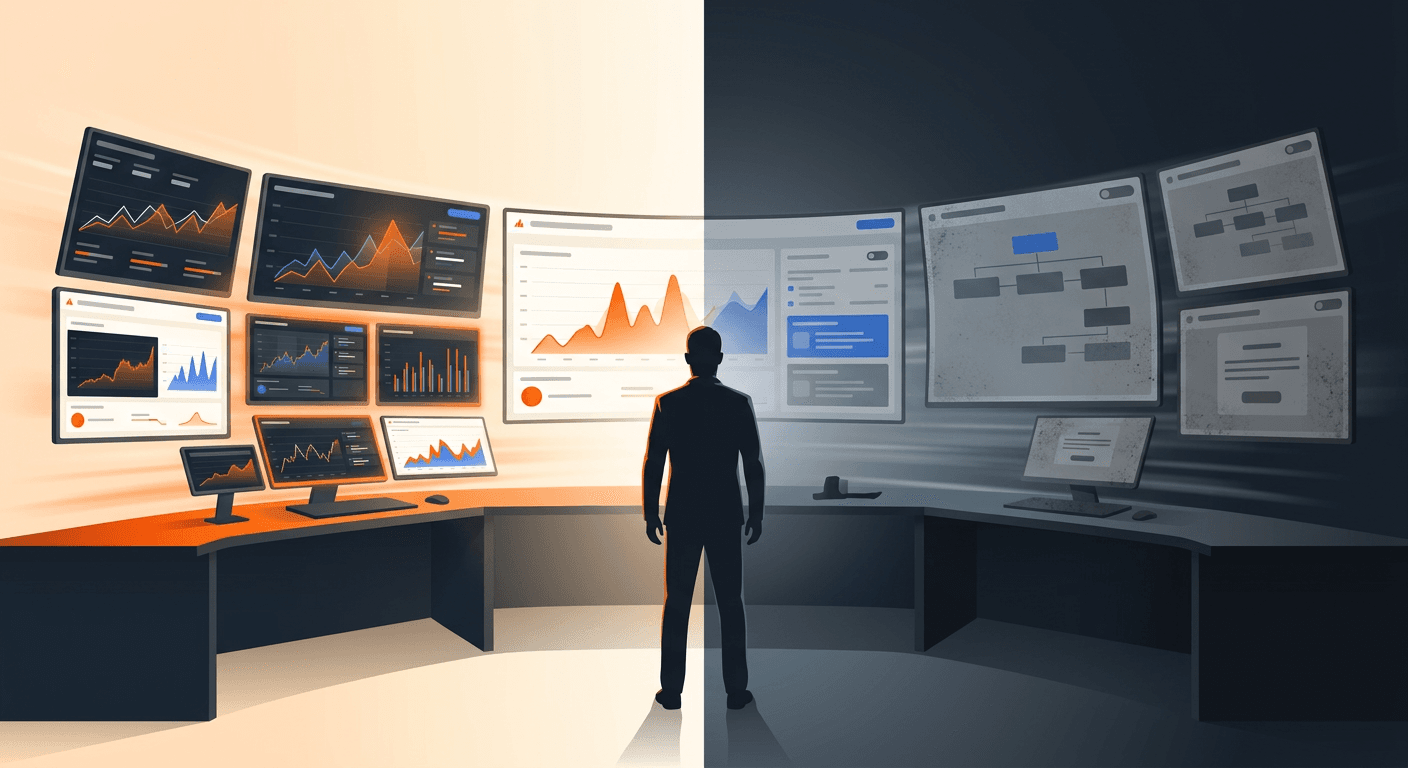
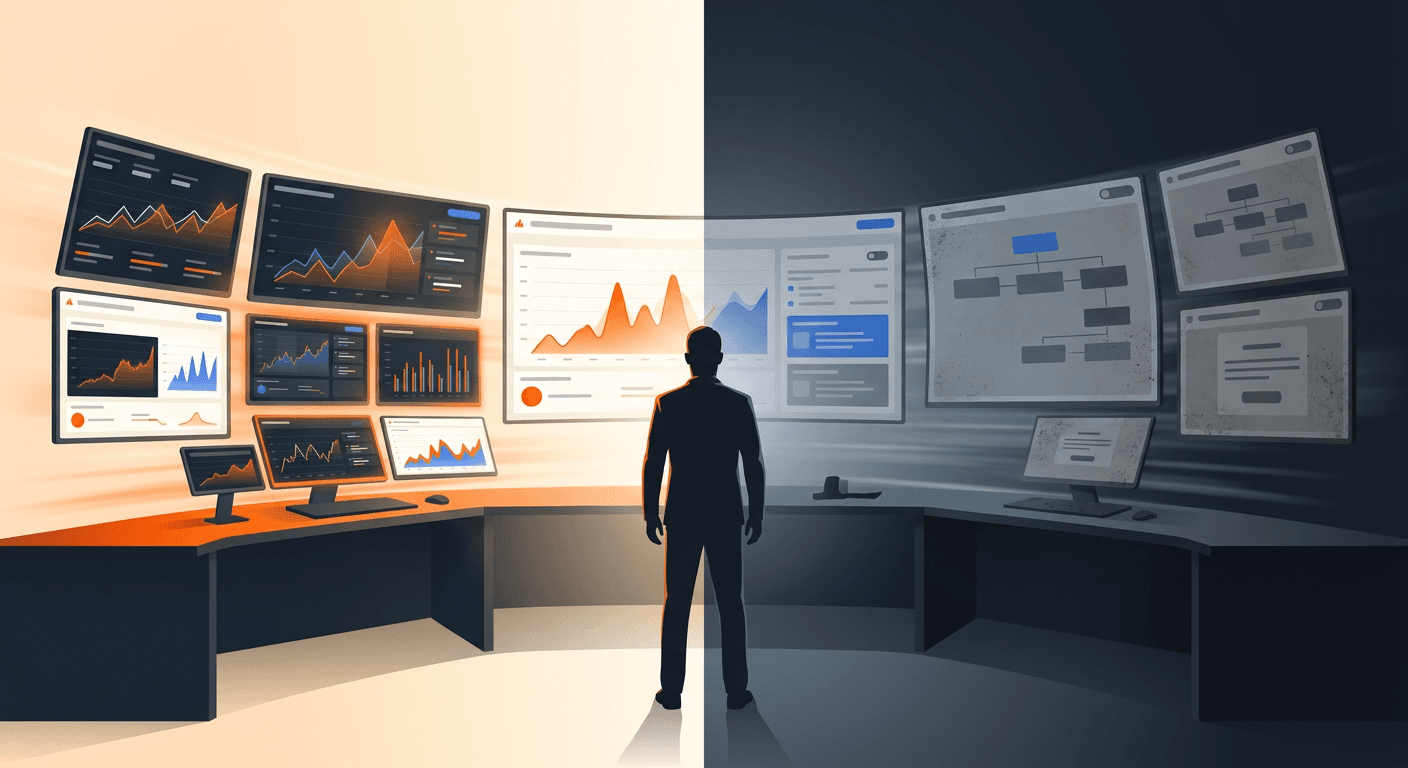
That changes the job description. Your role as an email marketer isn't just to grow a list. It's to convert subscribers into first-time customers, and then first-time customers into repeat buyers.
Most brands focus all their attention on the top of funnel, growing the list, running campaigns to everyone, and ignore the fact that their biggest revenue lever is already sitting in their database. The people who've already bought from you.
If you want to improve your email revenue, start by asking how many of your first-time customers ever placed a second order. That number tells you more about your email programme than your open rate ever will.
Pop-up Forms are not for Growing Lists
This is the one that caught me off guard.
I've always thought about pop-up forms the way most people do: you put one up, people give you their email to get the discount, your list grows. That's the goal.
Gavin's view is different. "Pop-up forms, their primary focus should be learning about your audience. Capturing zero-party data and getting a first-time conversion. It is not about capturing email subscribers."
He puts it this way: 90% of the revenue that happens in the welcome series was going to happen with or without the welcome series. The people who were motivated enough to hand over their email were probably going to buy anyway.
So the real job of a pop-up form is two things: learn something useful about the person, and get them to convert on that visit. Not to pad your subscriber count.
When you change that frame, the whole approach to sign-up forms shifts. The offer you choose, the questions you ask, the steps you include, all of it gets designed around on-site conversion and data collection, not list growth.
The Signup Form Red Flags
When Gavin audits an email account, the first thing he looks at is the signup form. Nine times out of ten, he finds one of the same three problems.
Red flag 1: Asking for SMS in the second step
If you ask for a phone number right after someone gives you their email, you'll see a 26% drop-off rate even if you give them the option to skip. If you don't give them the option to skip, it's closer to 46%.
That means up to 46% of people who signed up for your discount never see the discount code. The only way they can get it is by leaving your website. And the moment someone leaves your website, you've lost them.
"You are compromising your on-site conversion rates in exchange for an SMS subscription. I don't think that's a worthwhile trade."
Collect SMS separately, at a later point in the relationship. Don't make people choose between getting their discount and giving you their number.
Red flag 2: Not putting the discount code in the final step
The discount code belongs in the final step of the signup form. Not in the welcome series email. In the form itself.
The reason most agencies don't do this is that it artificially inflates welcome series revenue, if people are forced to open the email to get the code, the email gets credited for the revenue. But that's an agency metric, not a business metric. What actually matters is whether people buy on the visit when they signed up.
Make it even easier: when they click "use code," have it auto-apply to their cart. Don't make them copy and paste it.
Red flag 3: Using pop-up forms only to capture email
Pop-up forms can do a lot more than collect email addresses. The simplest underused strategy: if someone has visited your website before, has a discount code from the welcome series, and still hasn't placed an order, a fly-out form reminding them of that incentive can nudge them to buy.
"Your goal as an e-commerce business for people who are visiting your website is product in hand. Get product in hand, even if it means compromising a little bit with that first purchase."
The logic is simple: a first-time buyer who paid slightly less will come back. A subscriber who never buys won't.
The 7 Automations Every Store Needs
Seven flows form the foundation: welcome series, browse abandoned, abandoned cart, abandoned checkout, post-purchase thank you, fulfilled order, and win-back. Together they cover the entire customer lifecycle from subscriber to repeat buyer, automatically.
The key rule: every non-customer touchpoint in every flow should include the welcome series offer. Most brands let it disappear after the welcome series ends. It shouldn't.
From the seven core flows, how granular you go depends on the size of your business, splitting by product category, by specific SKU, or adding cancelled order, refund, and loyalty flows as you scale.
The biggest lever to pull across all of them isn't the copy, timing, or design. It's the offer.
When Segmentation Is Worth It (and When It Isn't)
Segmentation is the answer everyone gives when someone asks how to improve their email performance. But Gavin's take is more specific.
Start by segmenting customers from non-customers. That's the first and most important split. Customers get one type of messaging; non-customers get another. Every email a non-customer receives should include an incentive, ideally the same offer from the welcome series, reiterated every single time.
"What I see so many businesses do is somebody goes through that welcome series. If they don't place an order, they never see that offer again, which is crazy."
That offer should be in every email a non-customer gets: the welcome series, the browse abandoned, the cart abandoned, the campaigns. Every single touchpoint.
Beyond that customer/non-customer split, how granular you go depends on the size of your database. If you're doing under $50,000 to $100,000 a month, going deep on segmentation isn't worth the extra work.
"If you're doing under a million dollars a month, going super granular with your segmentation, the juice is not worth the squeeze."
The math is simple: you can segment a list into smaller and smaller buckets, but if each bucket only has a few hundred people in it, you've just 10x'd your workload for a few percentage points of improvement. Save the granularity for when the database is big enough to justify it.
Stop A/B Testing Your Subject Lines
This is the one that surprised me the most. A/B testing subject lines is one of the most common email marketing practices. Gavin thinks it's one of the silliest.
His argument: even if you find a winning subject line variation, you can't apply that learning to future campaigns. The performance of a subject line is tied to the specific topic of that email. What worked for a summer sale campaign tells you nothing useful about what will work for a new product launch.
"You need to be selecting things that are easy to measure, yes, but also tests that you can apply across your entire account incredibly easily."
The thing worth testing is the offer. Test whether 10% off or 20% off converts at a higher rate. Test whether a dollar-off or a percentage-off drives higher AOV. Test whether free shipping or a discount code results in better repeat purchase rates.
Those are learnings you can apply everywhere: in the welcome series, the signup form, the campaigns, the automations. They move the needle on revenue, not just on open rates.
Why Percentage Off Always Wins
One of Gavin's more specific takes: percentage discounts outperform dollar-off discounts for e-commerce brands, and most brands get this wrong.
The psychology is simple: the more you spend, the more you save. A 20% off code on a $100 order saves you $20. On a $200 order, it saves you $40. That scaling psychology works in the customer's mind in a way that "$20 off" doesn't.
The counter-argument people make is that "$20 off" feels more concrete and understandable. Gavin's response: maybe. But it ignores the AOV impact. A percentage discount incentivises spending more. A dollar-off discount doesn't.
20% is his recommended starting point. If your margins can't support it, increase shipping costs rather than lowering the discount percentage.
Write Emails About the Outcome, Not the Feature
On copywriting, Gavin keeps it straightforward: people don't buy features, they buy what the feature does for them.
A supplement brand writing about ingredients, blood flow mechanisms, and compound names is writing for themselves, not their customers. The customer wants to know one thing: will this make me feel better when I run?
A baby sleep monitor isn't a monitoring device. It's peace of mind. It's feeling comfortable enough to go to bed knowing your baby is fine.
"Focus on outcome-based results of your product. Don't get lost in the features."
One practical tip he mentioned for subject lines: lead with the number, written as a digit. "20% off everything this weekend" will get decent open rates. "20% off everything this weekend" written as "20% off everything this weekend" is fine. But writing "20% off" as the opening character of the subject line is a pattern interrupt in an inbox full of words. Open rates improve.
The inbox is crowded. You're looking for anything that breaks the visual pattern.
Zero-Party Data: What You're Actually Supposed to Do With It
Zero-party data is information customers explicitly tell you about themselves, what they're buying, who they're buying for, what they're struggling with. Most brands collect it in the signup form and then use it to trigger a specific automation flow. Gavin says that's only half the picture.
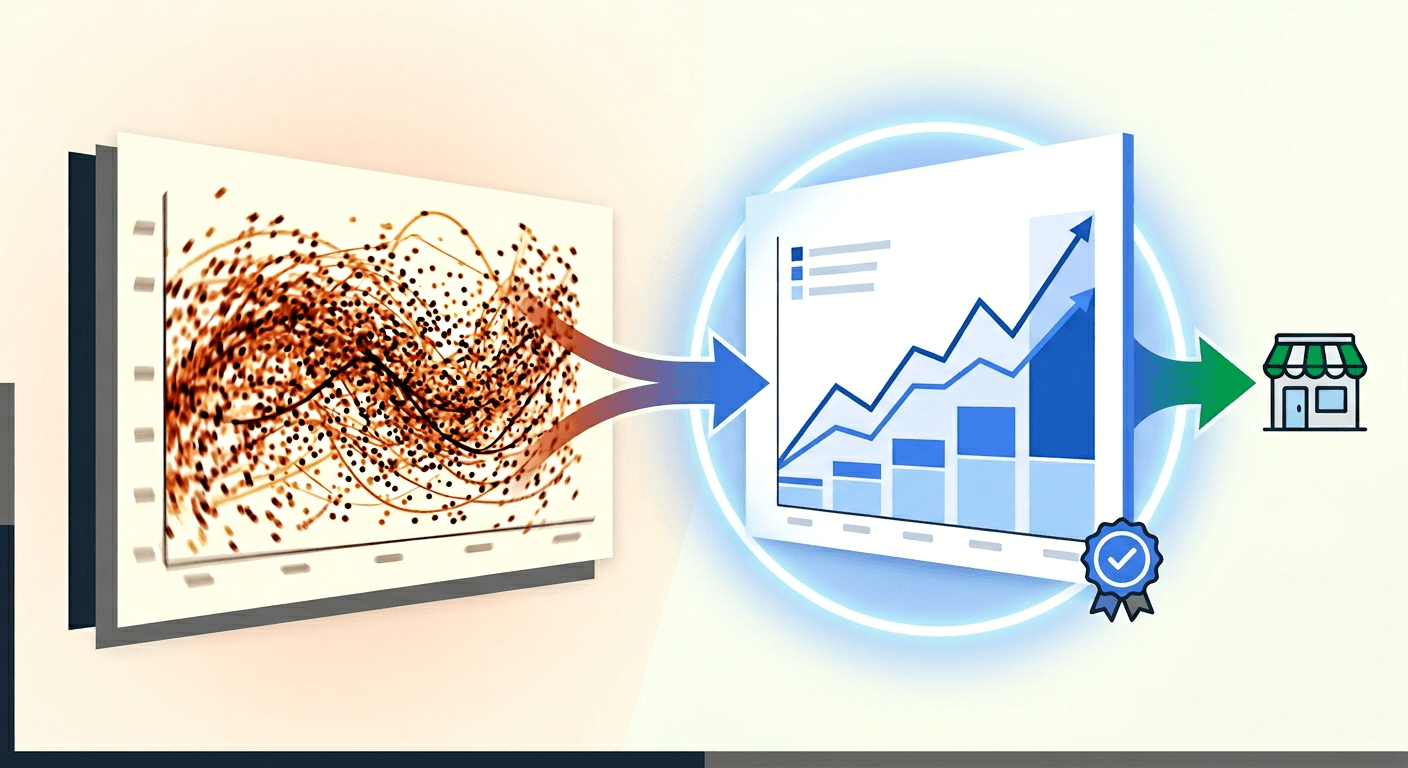
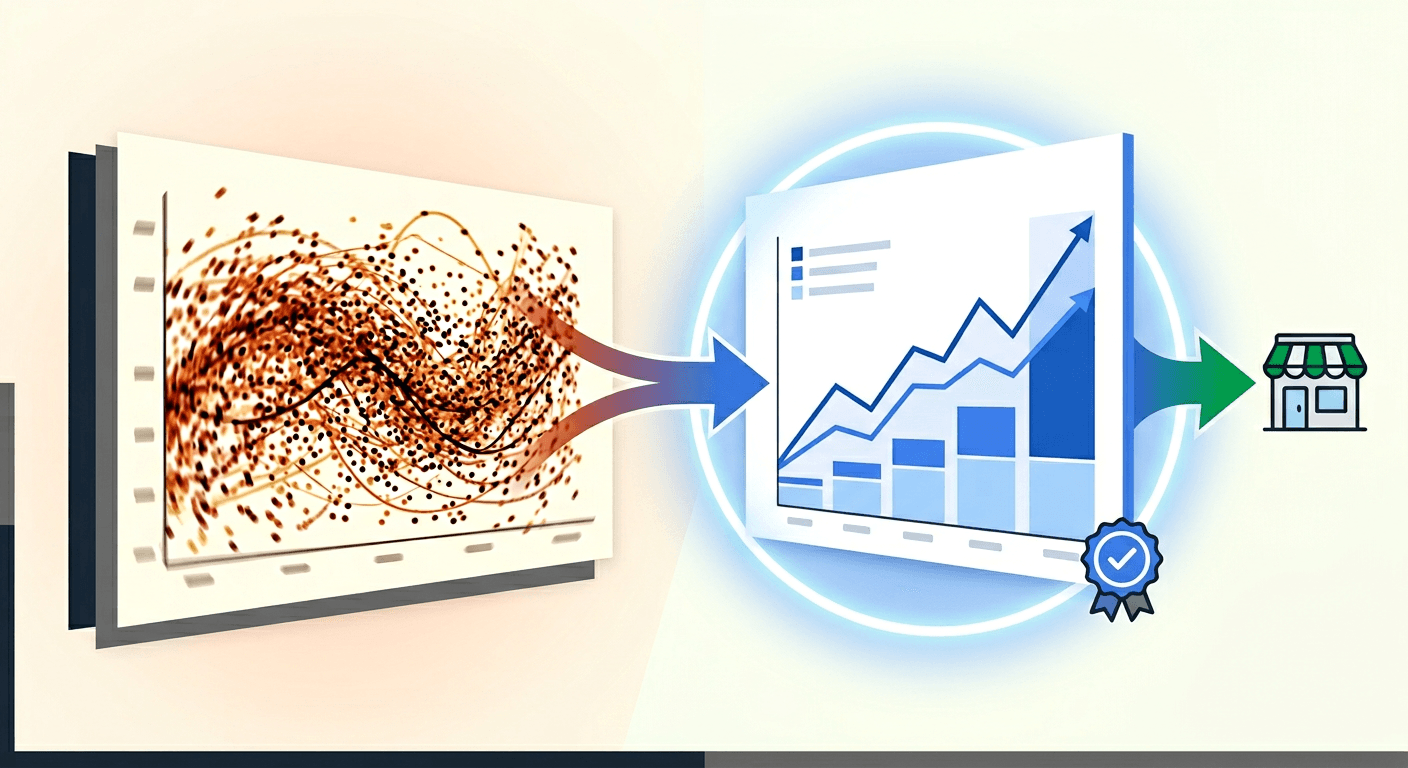
The more valuable use is matching responses to purchase behavior.
Say 100 people fill out your signup form. 80 say they're buying for themselves because they have back pain and they prefer the color red. 20 of those 100 actually place an order, and those 20 say they're buying for themselves because they have back pain and they prefer the color blue.
If you just looked at the volume of responses, you'd optimize your business for red. But the people who actually buy prefer blue.
"You don't want to just focus on the responses alone. You want to optimize your business for the responses that purchased."
That changes everything: your messaging, your creative, what you highlight on the product page, potentially even which products you develop next. Zero-party data isn't just for email segmentation. It's market research sitting in your signup form.
Next: Audit Your Email Setup
Here's what you can do today.
Check your signup form: Does it ask for SMS before showing the discount code? Is the discount code in the final step? Does it auto-apply to cart? Fix those three things first.
Check your non-customer list: Pull everyone who has never placed an order. Are they receiving your welcome series offer at every touchpoint? If not, add it.
Check what you're testing: Are you A/B testing subject lines? Stop. Run an offer test instead. Pick two discount amounts and measure which one drives higher conversion and higher AOV.
Check your welcome series: Does it introduce the founder? Does it tell the brand story? Does it give non-customers a reason to buy on every send? If it just introduces products and then goes quiet, it's not doing the job.
Match your zero-party data to purchase behavior: If you're collecting data in your signup form, pull the responses of people who actually bought and compare them to people who didn't. Let the buyer responses shape what you say and who you say it to.
Most of what's broken in a DTC email setup isn't complicated. It's a discount code in the wrong place, an offer that disappears after the welcome series, and a pop-up form that's been optimizing for the wrong metric all along.

Meet the Author
Paul Jebasingh EmmanuelPaul Jebasingh Emmanuel is the Founder & CEO of GoX.ai, where he is building Two Minute Reports and Illustrations AI. He is passionate about data analytics, automation, and AI, and believes in creating practical tools that make marketers smarter and more productive.